Biohazard Cleanup
Safe, careful removal of bodily fluids and other infectious material, finished with hospital-grade disinfection.
Learn more →District of Columbia · District of Columbia
Who cleans up after a loss at home in Chinatown? You do not have to. Biohazard removal, crime scene cleaning, trauma cleanup and medical waste pickup are all answered at (877) 812-4220, day or night.
If anyone is in danger, call 911 first. For a suicide crisis, call or text 988.
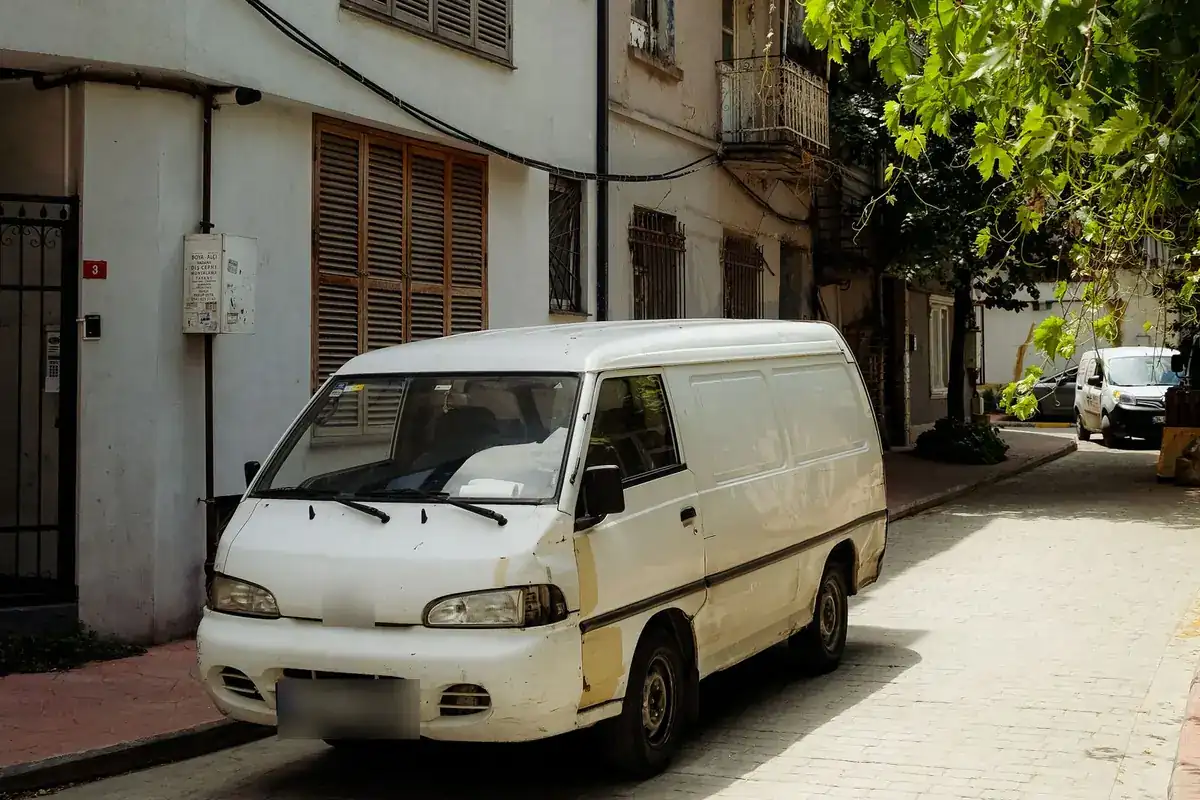
Some messes cannot be handled with a mop and household cleaner. Blood, bodily fluids and decomposition soak into porous materials and can carry disease, which is why Chinatown property owners call Chinatown Biohazard Cleanup Help for biohazard cleaning.
Property owners, family members, landlords, property managers and insurance adjusters can all get help from Chinatown Biohazard Cleanup Help. The cleanup is documented with photos and notes, and coverage reaches Chinatown, District of Columbia and nearby towns across District of Columbia.
The nearest emergency room, Medstar Washington Hospital Center in Washington, is about 2 miles from Chinatown. In an emergency, call 911 first and let the cleanup wait. The median age in Washington is 35. Whatever the age of the household, biohazards call for the same protective gear and disinfection.
Blood and bodily fluids can carry bloodborne pathogens, even after they dry. That is why biohazard cleaners follow OSHA's Bloodborne Pathogens Standard, 29 CFR 1910.1030, and put on gloves, respirators, boot covers and disposable suits before they enter the affected area.
Products matter because a mild cleaner will not kill bloodborne germs. Biohazard cleaners use EPA-registered, hospital-grade disinfectants, follow the label for contact time and pair them with air treatment for lingering odor.
From a single blood spill to a whole hoarder house, the services below cover the cleanup jobs that come up in Chinatown, Washington, DC. All are available day or night.
Safe, careful removal of bodily fluids and other infectious material, finished with hospital-grade disinfection.
Learn more →Cleanup after violent crimes, break-ins and assaults, using protective gear and EPA-registered disinfectants.
Learn more →Contaminated carpet, drywall and debris removed, with every affected surface disinfected and inspected.
Learn more →Removal of soaked materials, safe waste hauling and deodorizing after a delayed discovery.
Learn more →Compassionate cleaning after a loss, with keepsakes set aside and the room returned safe.
Learn more →Murder scene cleanup for homes, rentals, businesses and vehicles, handled privately with protective gear.
Learn more →Blood in cars, vans and rideshare vehicles cleaned from seats, mats and panels, then disinfected.
Learn more →Soaked carpet, mattresses and furniture removed, and affected surfaces sanitized after a fluid release.
Learn more →Commercial feces cleanup and urine odor control for restrooms, shops, schools and care sites.
Learn more →Finds the source of a death odor and removes it, instead of masking it with sprays.
Learn more →Hauling, disinfecting and odor removal for crowded homes, without judgment or pressure.
Learn more →Hoarding junk removal that protects valuables and papers before anything leaves the home.
Learn more →Ammonia odor, urine and feces cleaned from floors, walls and air after animals are removed.
Learn more →Hoarding and filth cleaning that restores a home for living, repairs or a new tenant.
Learn more →Sewage restoration that clears contamination and odor so repairs can safely begin.
Learn more →Commercial decontamination services for offices, restaurants, schools, gyms and care sites after illness.
Learn more →Detailed decontamination after blood, sewage, animal waste or infectious illness, using EPA-registered disinfectants.
Learn more →Local biohazard disposal services, from one sharps container to rooms of contaminated medical supplies.
Learn more →Needle and sharps cleanup: syringes found, collected with tools and disposed of in sealed containers.
Learn more →Discreet drug residue cleanup for rentals, homes, hotels and businesses, with protective gear throughout.
Learn more →Testing, removal, cleaning and retesting for properties where meth was made or heavily used.
Learn more →Fentanyl residue removal with protective gear, soft material removal and proper disposal.
Learn more →Safe removal of solvents, fuels, pesticides, mercury and unlabeled containers from homes and businesses.
Learn more →Hazmat cleaning for pavement, soil, buildings and equipment, with protective gear and lawful waste disposal.
Learn more →Pepper spray cleanup that lifts oily residue from surfaces without spreading it to clean rooms.
Learn more →Hantavirus-aware cleanup for cabins, sheds, barns and homes with HEPA-filtered equipment and disinfection.
Learn more →Removal of insulation soaked with guano, plus odor treatment and sanitizing of the structure.
Learn more →Dead animal removal from walls, attics, crawl spaces and vents, with disinfection and odor treatment.
Learn more →Rideshare, rental and fleet vehicle decontamination handled quietly and returned ready to use.
Learn more →Discreet blood cleanup after an accident, so the space can reopen safely.
Learn more →Commercial cleaning crews disinfect offices, shops, plants and rentals after injuries, deaths and backups.
Learn more →Careful clearing of a home after a death, with biohazard cleanup first when it is needed.
Learn more →A cleanup specialist asks what happened, who is safe and whether police or an investigator have released the scene. The answers decide how the job is planned.
Affected rooms are isolated so contamination and odor stay put. Technicians suit up and bring in the equipment the job needs.
Crews in protective gear remove contaminated materials, clean every surface and disinfect with EPA-registered products. Waste is sealed and carried out as regulated medical waste.
Hydroxyl, ozone or HEPA air treatment removes lingering odor. The crew walks the property one last time before calling the job complete.
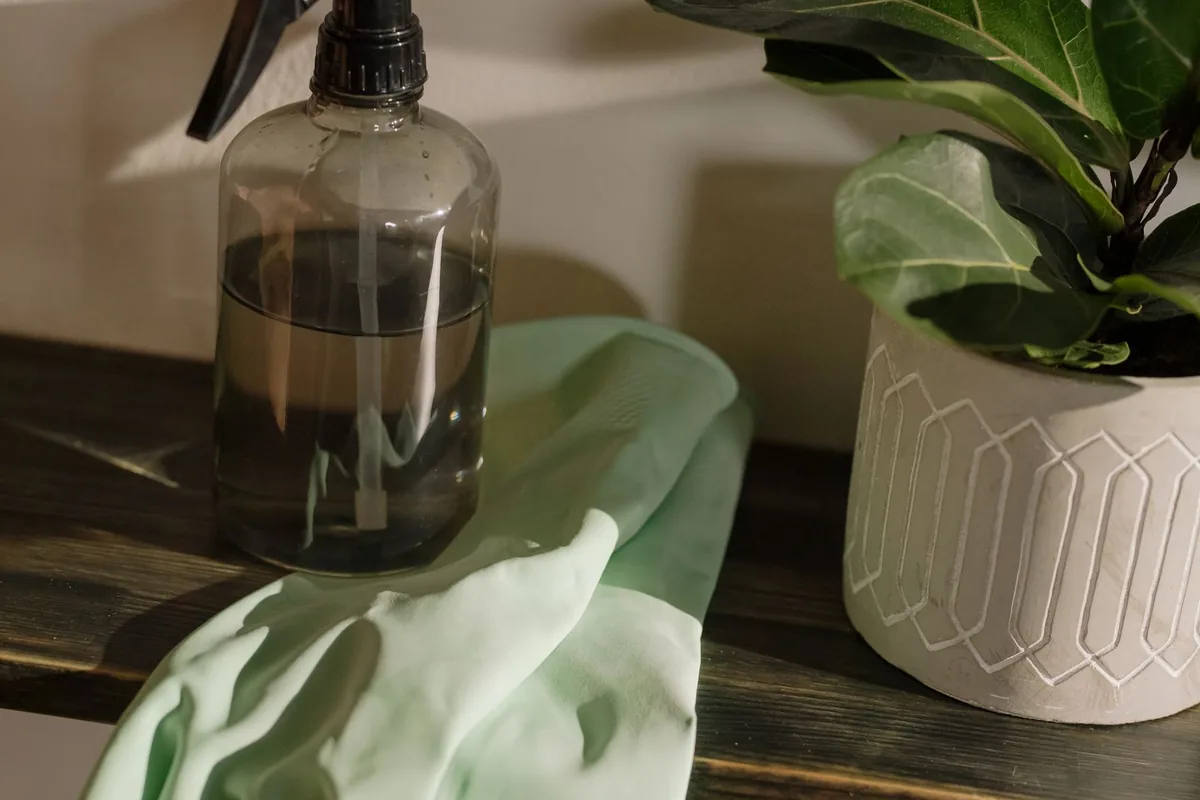
Death odor and sewage smell are treated with air scrubbers and hydroxyl or ozone equipment, not masked with sprays that fade.
Contaminated items are sealed, labeled and kept out of household trash, and the waste leaves under medical waste rules.
A cleanup specialist explains the steps, the likely cost range and what the property owner needs to do next, in everyday words.
A final inspection, with odor and surface checks where they help, confirms the area is safe before the cleanup is called complete.
Biohazard cleanup in Chinatown, Washington, DC typically costs $500 to $25,000, depending on the type of biohazard, the size of the affected area and how far fluids soaked into porous materials.
Most residential jobs cost $3,000 to $5,000 (Fixr). Biohazard cleanup costs depend on the type of biohazard, the size of the affected area and how far fluids soaked into porous materials. Pricing is set after an on-site assessment, and homeowners insurance often covers a large share.
| Type of job | Typical range |
|---|---|
| Blood spill cleanup, small area | $500 - $2,500 |
| Crime scene cleanup, most homes | $1,500 - $7,500 |
| Unattended death cleanup | $2,000 - $7,000 |
| Suicide cleanup | $1,500 - $5,500 |
| Sewage cleanup, most homes | $2,000 - $10,000 |
| Hoarding cleanup, level 3 home | $2,000 - $5,000 |
| Meth lab cleanup, typical | $15,000 - $20,000 |
Estimates only, not a quote. Sources: Fixr, Yelp Costs, BioCleaners Directory, PushLeads, Dropcurb, Bob Vila and cleanup company cost guides. Call (877) 812-4220 to talk through the job.
Offices, shops, churches and other public spaces may need cleanup after an injury, illness outbreak or break-in. The work is planned around staff, customers and reopening dates.
About 42% is the census figure for older adults living alone in Washington. When a person dies alone, days may pass before anyone knows, and unattended death cleanup follows.
When a death goes unnoticed for days, decomposition fluids reach flooring and subfloor and the odor spreads. Death cleanup removes the affected materials and treats the odor at the source.
With a vacancy rate of 10% in Washington, empty buildings can collect animal waste, drug paraphernalia and storm damage that nobody sees until later.
Homes, churches and businesses may need infectious disease disinfection, needle and sharps cleanup, or meth lab and fentanyl decontamination after a property is released.
With renters in about 58% of homes in Washington, landlords and property managers often call about tenant deaths, abandoned units and unsafe conditions that need biohazard cleaning.
Not every biohazard looks the same or carries the same risk. A cleanup team sorts the problem by type and by size, and that sorting decides the protective gear, the method and the budget.
A biohazard is any biological material that can carry germs and make people sick. Common examples are blood, bodily fluids, tissue, sewage, used needles, animal waste and the fluids from decomposition. Anything that has touched them can also become contaminated.
Many jobs are priced by the scope of the work rather than as one simple hourly rate. The type of biohazard, the size of the area, the materials removed and waste disposal set the total. Ask the cleanup team how the cost is worked out.
Only what cannot be made safe. Porous items such as carpet, padding, mattresses and upholstered furniture that soaked up fluids are usually removed. Hard surfaces and many belongings can be cleaned and disinfected instead.
Ask whether the crew follows OSHA bloodborne pathogen rules, uses EPA-registered disinfectants, disposes of waste lawfully and can document the work for insurance. Compare how biohazard cleanup companies explain scope, cost range and privacy, and be cautious about anyone who pressures you to sign on the spot.
Yes. Hoarding cleanup sorts belongings room by room, sets aside valuables and papers, removes trash and waste, and disinfects the space. Crews work without judgment and keep the family's wishes in mind.
Many policies do cover cleanup after a death in the home, but some exclude certain causes or situations. Read the policy or ask the insurer which parts apply. Call the insurance company before cleanup starts, and keep photos and receipts for the claim.
It can. District of Columbia has a Relatively High river flood risk rating from FEMA. Wherever floodwater or a sewer backup enters a home, the water is treated as Category 3 and needs full cleaning and disinfection.
The nearest emergency room is Medstar Washington Hospital Center in Washington, about 2 miles from Chinatown. In any emergency, call 911 first. Cleanup waits until people are safe.
Looking for a biohazard cleanup company close to District of Columbia? You can get crime scene, death and trauma cleanup in Washington, Logan Circle / Shaw and District of Columbia, as well as around Chinatown. Call Chinatown Biohazard Cleanup Help to ask.
Describe what happened, and the cleanup team will explain the next steps.
Call (877) 812-4220